A healthy credit score isn’t built overnight.
It is usually the result of consistent financial behaviour over time. Paying your dues on time, managing credit-card balances, avoiding unnecessary applications and checking your credit report are some of the most practical steps you can take.
For Indian borrowers, the CIBIL Score ranges from 300 to 900, and CIBIL identifies payment history, credit utilisation, age of credit and credit enquiries among the main factors affecting the score.
Here are 10 practical tips to help you build and maintain a healthier credit profile.

1. Always Pay Your EMIs on Time
One of the simplest rules of credit management is also one of the most important:
Never ignore your repayment due dates.
Whether you have a personal loan, car loan or another form of credit, missed or delayed payments can negatively affect your credit profile.
Set reminders or enable automatic payment arrangements where appropriate.
Don’t wait until the last day if you can avoid it.
2. Pay Your Credit Card Bill on Time
Credit cards can be useful financial tools, but missed payments can create problems.
If you use a credit card, understand:
- Billing date
- Statement date
- Payment due date
- Minimum amount due
- Total amount due
Paying only the minimum amount may prevent certain immediate consequences, but interest can continue to accrue on the remaining balance depending on the card’s terms.
Whenever financially possible, paying the full billed amount by the due date can help you avoid revolving high-cost credit.
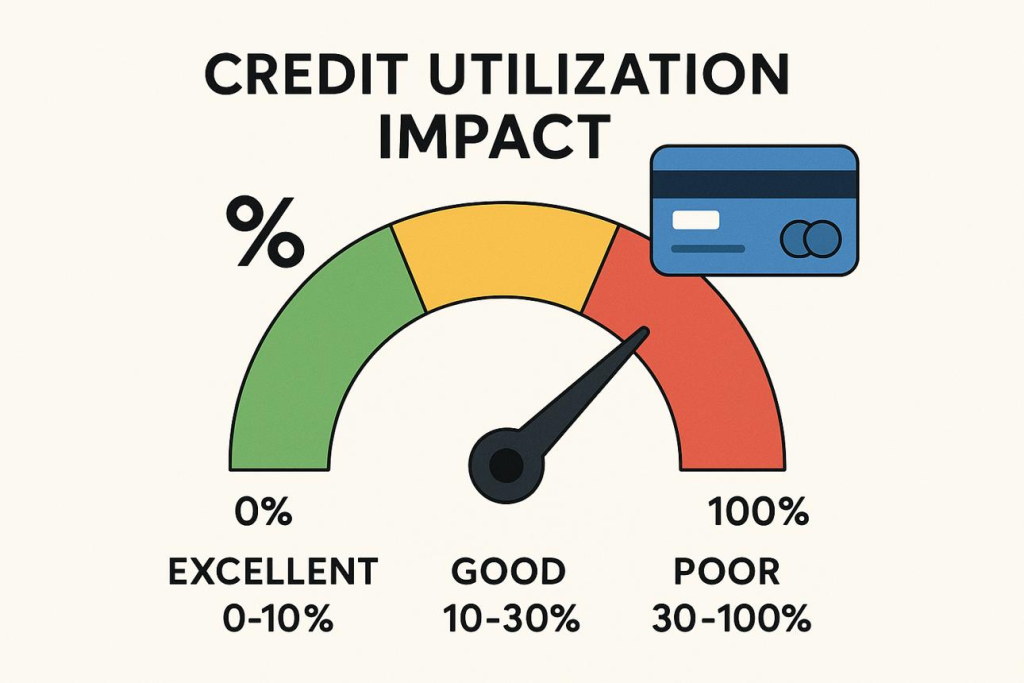
3. Keep Credit Utilisation Under Control
Credit utilisation is the amount of revolving credit you’re using compared with your available limit.
For example:
Credit limit: ₹1,00,000
Outstanding balance: ₹30,000
Your utilisation is 30%.
CIBIL advises consumers to keep credit utilisation low because high utilisation can indicate that someone may be financially stretched.
This doesn’t mean you should borrow money just to keep utilisation low.
The better approach is to control unnecessary spending and maintain affordable balances.
4. Avoid Applying for Too Many Loans
Applying for several loans or credit cards within a short period can lead to multiple lender enquiries.
A large number of applications may make you appear more dependent on credit.
CIBIL specifically recommends applying for new credit cautiously and avoiding excessive applications.
Before applying, compare your options and apply only when there is a genuine need.
5. Don’t Close Old Accounts Without Understanding the Impact
The age of your credit accounts can contribute to your credit profile.
If an old credit account has a positive repayment history, closing it may change the structure of your credit history.
However, you shouldn’t keep an expensive or unsuitable financial product simply for your credit score.
Always consider fees, usefulness and your overall financial situation.
6. Check Your Credit Report for Errors
Sometimes information on a credit report may be inaccurate or outdated.
Check for:
- Unknown loans
- Unknown credit cards
- Incorrect payment information
- Incorrect outstanding balances
- Duplicate accounts
- Unrecognised enquiries
If you find an error, contact the relevant lender and follow the credit bureau’s dispute process.
CIBIL provides a dispute mechanism for inaccuracies in credit reports.
7. Monitor Joint and Co-Signed Accounts
If you are a co-borrower, guarantor or joint account holder, another person’s repayment behaviour can potentially affect your credit profile.
CIBIL specifically recommends monitoring co-signed, guaranteed and jointly held accounts.
Before agreeing to become a guarantor or co-borrower, understand the financial responsibility involved.
8. Maintain a Healthy Credit Mix
A credit profile may contain different types of credit, such as secured and unsecured loans.
CIBIL notes that maintaining a healthy credit mix can be beneficial, while too many unsecured loans may be viewed negatively.
However, you should never take a loan simply to create a credit mix.
Borrow only when you actually need credit and can afford the repayment.
9. Reduce Outstanding Debt
High outstanding balances can make your financial situation more difficult.
If you have multiple debts, create a repayment plan.
For example:
- List all outstanding debts.
- Record their interest rates.
- Record their minimum payments.
- Create a monthly repayment budget.
- Avoid taking unnecessary new debt.
Reducing debt can improve your overall financial position even beyond its potential effect on your credit profile.
10. Give Your Credit Profile Time
This is perhaps the most overlooked tip.
There is no reliable overnight method for creating a strong credit history.
Credit history develops through repeated financial behaviour.
If you’ve recently experienced missed payments, focus on:
- Paying every future bill on time
- Reducing outstanding balances
- Avoiding unnecessary applications
- Correcting report errors
- Maintaining responsible credit behaviour
Over time, consistent behaviour can help create a healthier profile.
What You Should NOT Do to Improve Your Credit Score
Be careful of anyone promising:
“We can increase your CIBIL Score instantly.”
Be suspicious of services asking for money simply to remove accurate negative information.
CIBIL states that consumers don’t need to pay a fee for improving their score, correcting discrepancies or updating credit information.
Simple Monthly Credit-Score Checklist
At the end of every month, ask yourself:
✓ Did I pay every EMI on time?
✓ Did I pay my credit-card bill on time?
✓ Did I keep my balances manageable?
✓ Did I avoid unnecessary credit applications?
✓ Did I check for unfamiliar credit activity?
If you consistently follow these habits, you’re taking practical steps toward healthier credit management.
Frequently Asked Questions
How quickly can I improve my CIBIL Score?
There is no fixed timeline. Your score depends on your credit history and how the information changes over time.
Does paying a loan early always increase my CIBIL Score?
Not necessarily. Early repayment can reduce debt, but credit scores depend on multiple aspects of your credit profile.
Does closing a credit card improve my score?
Not automatically. Closing an account can affect your credit profile depending on your overall history.
Can I improve my score without taking a loan?
If you already have credit accounts, responsible management is more important than taking new debt solely to increase your score.